
How to Maximize Every Hair Transplant Turkey Opportunity for Trusted Results
Understanding Hair Transplant Turkey: A Comprehensive Overview
Hair loss can significantly affect one’s self-esteem and confidence, leading many to explore viable solutions such as hair transplantation. When it comes to seeking expert care, Turkey has emerged as a premier destination for hair transplants, particularly in cities like Istanbul. This guide aims to provide you with comprehensive information on what a hair transplant is, the benefits of choosing Turkey for this procedure, and insights into the various techniques used. When exploring options, hair transplant turkey offers a wealth of information and support throughout your journey.
What is Hair Transplant?
A hair transplant is a surgical procedure that involves moving healthy hair follicles from a denser area of the scalp, often referred to as the donor site, to bald or thinning areas called the recipient site. This minimally invasive procedure aims to achieve natural-looking results that can restore both hair density and an individual’s self-confidence. The two most common techniques for achieving a successful hair transplant are Follicular Unit Extraction (FUE) and Direct Hair Implantation (DHI).
Benefits of Choosing Turkey for Hair Transplants
Turkey has become a global hub for hair restoration, attracting thousands of international patients each year. The reasons include:
- Affordability: Hair transplant procedures in Turkey typically cost significantly less than in Western countries, making it a cost-effective solution for many.
- Expert Surgeons: Turkey boasts highly skilled and internationally trained surgeons who employ advanced techniques, ensuring excellent outcomes.
- Comprehensive Packages: Many clinics offer all-inclusive packages covering the procedure, accommodation, and aftercare, simplifying the process for international patients.
- State-of-the-Art Facilities: The country has invested heavily in healthcare infrastructure, meaning clinics in Turkey are equipped with the latest technology and adhere to high medical standards.
Common Techniques: FUE vs. DHI
The two primary hair transplant methods used in Turkey include Follicular Unit Extraction (FUE) and Direct Hair Implantation (DHI). FUE is a technique where individual hair follicles are extracted from the donor area and implanted into the recipient area using small incisions. This method is known for its minimally invasive nature, leading to minimal scarring.
DHI, on the other hand, incorporates a specialized device that allows for the simultaneous extraction and implantation of hair follicles without the need for incisions. This method provides greater control over placement and can lead to denser hair coverage.
Who is a Good Candidate for Hair Transplant in Turkey?
Ideal Patient Characteristics
Not everyone may be suited for hair transplant surgery. Ideal candidates typically include:
- Individuals experiencing pattern baldness or hair thinning
- Those with a stable donor area—healthy hair growth at the back or sides of the scalp
- Adults over the age of 25, as hair loss patterns are generally more stable in this age group
- Patients who have realistic expectations and an understanding of what the procedure entails
Assessing Hair Loss Patterns
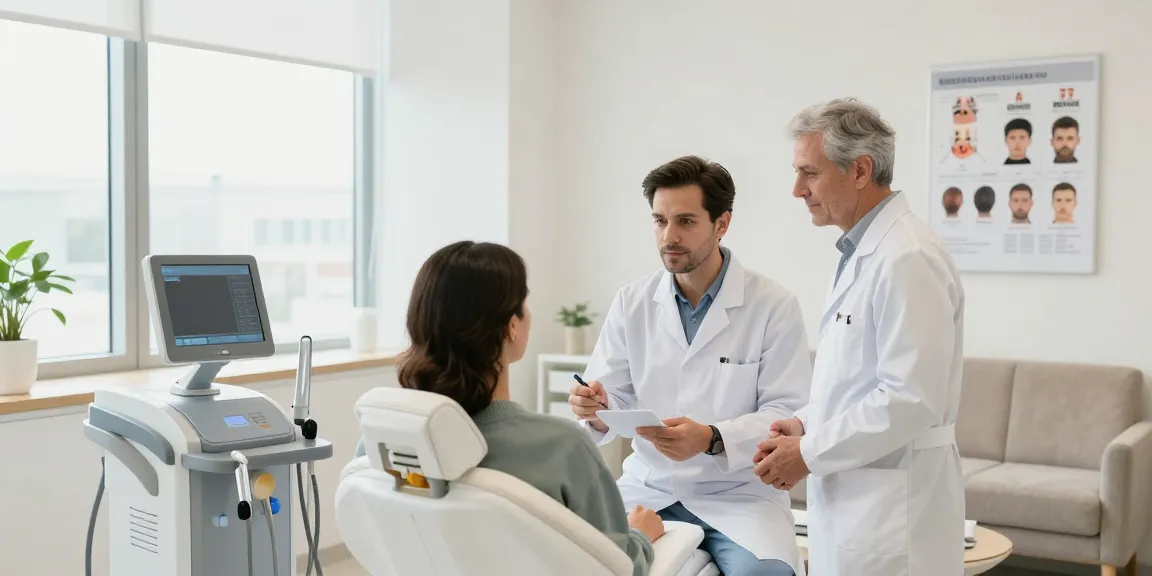
Before undergoing a hair transplant, it is essential to assess the type and extent of hair loss. The Norwood Scale is commonly used to classify male pattern baldness and helps surgeons and patients discuss realistic outcomes. Female hair loss can also be assessed through the Ludwig Scale or other assessment tools. These evaluations help in tailoring the approach to each patient’s unique needs.
Evaluation and Pre-Consultation Steps
A thorough pre-operative consultation is critical in determining candidacy for a hair transplant. Expect the following:
- A detailed medical history review and examination of scalp health
- Discussion of past hair restoration procedures (if any) and medication
- Assessment of expectations and goals, including design of the hairline
Preparing for a Hair Transplant Procedure in Turkey
Pre-Operative Assessments and Expectations
Preparation for a hair transplant involves several steps aimed at ensuring a safe and successful procedure. Pre-operative assessments typically include blood tests and a review of patient health to ensure suitability. Patients should also be informed about what to expect on the day of the surgery, including the procedure’s duration and the level of discomfort.
Understanding the Surgical Process
The day of the surgery begins with the patient arriving at the clinic, undergoing final assessments, and marking the donor and recipient areas. The surgery generally lasts between 6 to 8 hours, with breaks for hydration and comfort. Local anesthesia is applied to minimize discomfort during the extraction and implantation of hair follicles.
Post-Operative Care Instructions
Post-operative care is crucial for successful hair transplant outcomes. Patients are usually advised to:
- Follow specific washing instructions after the surgery
- Avoid strenuous activities for at least a month post-surgery
- Attend follow-up appointments for monitoring recovery
- Use recommended products for scalp care
Success Rates and Safety Considerations in Hair Transplant Turkey
Evaluating Clinic Accreditation and Surgeon Expertise
When considering a hair transplant in Turkey, choosing an accredited clinic with board-certified surgeons is vital for ensuring safety and effectiveness. High-quality clinics often have certifications that verify their adherence to international healthcare standards, as well as experienced medical staff trained in modern techniques.
Smile Hair Clinic, for instance, proudly operates under stringent protocols and maintains a commitment to patient safety and satisfaction.
Potential Risks and Side Effects
Although hair transplants have high success rates (around 90-95%), they are not without risks. Potential side effects include:
- Swelling and sensitivity at the donor and recipient sites
- Infection at the transplant site, although rare with proper care
- Temporary hair loss (shock loss) in the surrounding area
- Unnatural hair patterns if proper techniques are not used
Understanding the Follow-Up Process
Follow-up visits post-surgery are essential for ensuring that the grafts are growing properly and to monitor scalp health. During follow-ups, the medical team assesses healing and provides guidance on hair care practices to enhance results. Most patients can expect visible improvements after about three months, with full results typically emerging between 9 to 12 months.
Frequently Asked Questions About Hair Transplant Turkey
What Happens Years After a Hair Transplant?
After 10 years, if the procedure is done correctly and maintenance is implemented, the transplanted hair typically continues to grow. However, surrounding non-transplanted hair may thin, requiring additional treatments or consults in the future.
How Long Does a Hair Transplant Last?
A hair transplant can last a lifetime, as the transplanted hair follicles are generally resistant to hair loss. Throughout the years, proper scalp care and maintenance of a healthy lifestyle enhance the longevity of results.
What Should You Avoid After a Hair Transplant?
After a hair transplant, certain precautions are important to protect the newly transplanted hair. Patients should avoid:
- Excessive sun exposure
- Heavy physical exercise for at least a month
- Touching or scratching the treated area to prevent displacement of grafts
Following the post-operative care instructions is fundamental to achieving the best results from a hair transplant in Turkey.. Additionally, https://www.smilehairclinic.com/en/ provides further details.