How Safe Is Mold Remediation Vancouver? A Comprehensive Guide for Homeowners in 2026
Understanding Mold and Its Dangers
Mold is more than just an unsightly nuisance; it’s a pervasive issue that can threaten both your health and your home. In Vancouver, with its humid coastal climate, mold growth is a common challenge that homeowners and businesses face year-round. Understanding the nature of mold, the dangers associated with it, and how to effectively manage and remediate it is essential for maintaining a safe indoor environment. When exploring options, Mold Remediation Vancouver provides comprehensive insights into the processes involved in tackling mold issues head-on.
What Is Mold and Why Is It a Problem?
Mold is a type of fungus that thrives in damp, humid environments. It reproduces by releasing spores into the air, which can settle in various locations and grow if the conditions are right. Mold is a problem not only because it can cause damage to your property but also due to the health risks associated with mold exposure, particularly for sensitive groups such as children, the elderly, and those with respiratory conditions.
Health Risks Associated with Mold Exposure
Exposure to mold can lead to a variety of health problems, including respiratory issues, allergies, skin irritation, and even more severe effects like asthma attacks or chronic lung conditions. Certain types of mold, such as black mold (Stachybotrys chartarum), are particularly toxic, making it crucial to address mold issues quickly and efficiently.
Identifying Common Signs of Mold Growth in Your Home
- Visible Mold: Look for dark spots on walls, ceilings, and other surfaces.
- Musty Odors: A persistent damp smell can indicate hidden mold.
- Water Damage: Stains or discoloration on ceilings and walls might suggest moisture problems.
- Allergic Reactions: If you notice increased allergy symptoms when at home, mold could be the culprit.
The Mold Remediation Vancouver Process Explained
Understanding the mold remediation process is essential for effective treatment. A typical remediation plan involves several critical steps designed to not only remove mold but also prevent its return.
Step-by-Step Mold Remediation Process
- Inspection: Conducting a thorough inspection to identify the extent of the mold problem.
- Moisture Mapping: Locating the source of moisture that caused the mold growth.
- Containment: Using physical barriers to prevent spores from spreading during cleanup.
- Removal: Safely removing affected materials and cleaning the area.
- Air Filtration: Utilizing HEPA filters to capture airborne spores.
- Treatment: Applying antimicrobial solutions to eliminate mold colonies.
- Restoration: Making necessary repairs or replacements to affected areas.
Tools and Techniques Used in Professional Remediation
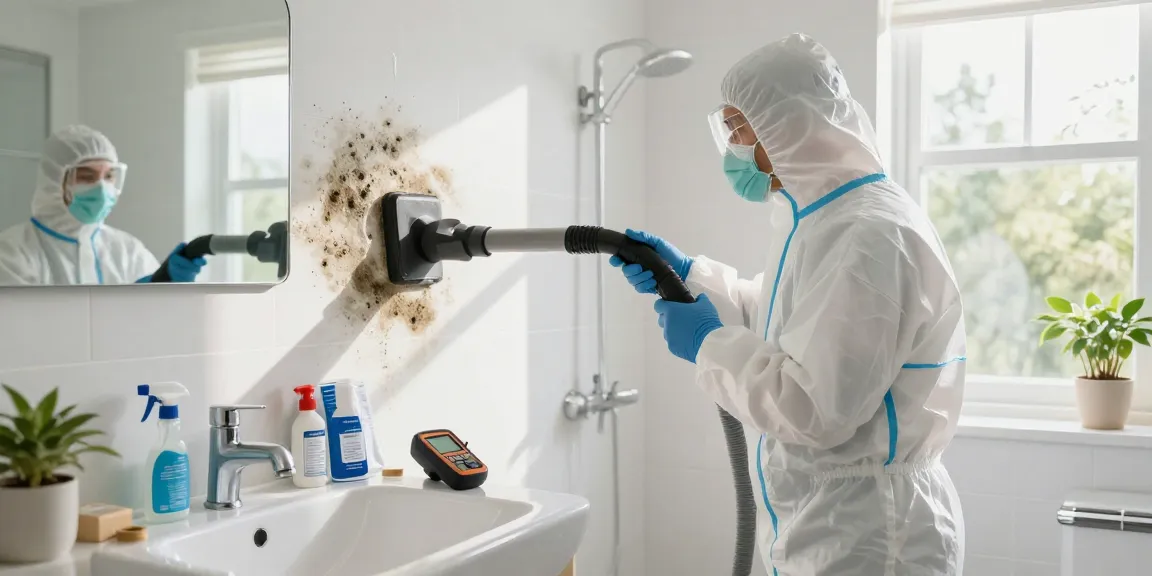
Professional mold remediation teams use a variety of tools and techniques, including moisture meters, air scrubbers, and HEPA vacuums. These tools help ensure that mold spores are effectively captured and that the air quality in your home is restored during the process.
Importance of IICRC Standards in Mold Remediation
Adhering to the Institute of Inspection, Cleaning and Restoration Certification (IICRC) standards ensures that mold remediation is conducted safely and effectively. These guidelines provide a framework for identifying, assessing, and managing mold issues, which is crucial for compliance and the protection of both property and health.
Choosing the Right Mold Remediation Services in Vancouver
Selecting a qualified mold remediation service is essential for effectively addressing mold problems in your home or business. All services are not created equal, so it’s important to do your research.
What to Look for in a Certified Mold Remediation Company
- Certifications: Ensure the company is certified by recognized bodies such as IICRC.
- Experience: Look for a company with a proven track record in mold remediation.
- Insurance: Verify that they are fully insured to protect yourself from liability.
- References: Ask for testimonials or case studies to assess their effectiveness.
Questions to Ask Before Hiring Mold Remediation Experts
Before hiring a mold remediation company, consider asking the following questions:
- What is your experience in handling mold problems similar to mine?
- Can you provide a detailed scope of work and estimate?
- What methods do you use for remediation?
- How do you ensure safety for my family and pets?
Comparing Costs Across Vancouver Mold Remediation Providers
The cost of mold remediation can vary significantly across different providers in Vancouver. Factors influencing cost include the size of the affected area, extent of mold growth, and necessary repairs. It’s prudent to obtain multiple estimates and compare services offered, not just prices.
Preventing Future Mold Growth in Your Home
Once mold has been successfully remediated, the next step is to implement prevention strategies to mitigate the risk of future growth.
Key Strategies for Reducing Moisture and Humidity
- Fix Leaks: Promptly repair any plumbing leaks or roof leaks to prevent moisture accumulation.
- Improve Drainage: Ensure proper drainage around your home to avoid water pooling.
- Use Dehumidifiers: In particularly humid areas, a dehumidifier can significantly reduce moisture levels.
Effective Ventilation Solutions to Combat Mold
Proper ventilation is key to controlling humidity levels and preventing mold growth. This can include installing exhaust fans in areas like bathrooms and kitchens, as well as ensuring that attics and crawl spaces are properly ventilated.
Regular Maintenance Tips for Homeowners in Coastal Areas
- Conduct routine inspections for signs of water damage or moisture.
- Keep gutters clean and functioning to facilitate proper drainage.
- Ensure that appliances like washers and dishwashers are properly maintained.
FAQs About Mold Remediation
Do I Need to Leave My House During Mold Remediation?
In many cases, it is advisable to vacate the premises, especially if the mold levels are high or if the remediation process involves significant demolition or disruption.
How Long Does Mold Remediation Typically Take?
The duration of mold remediation can vary based on the extent of the mold problem, but most projects take between 1 to 3 days to complete.
Can Mold Return After Remediation?
While professional remediation significantly reduces the risk of mold returning, it’s essential to address the underlying cause of moisture to prevent future occurrences.