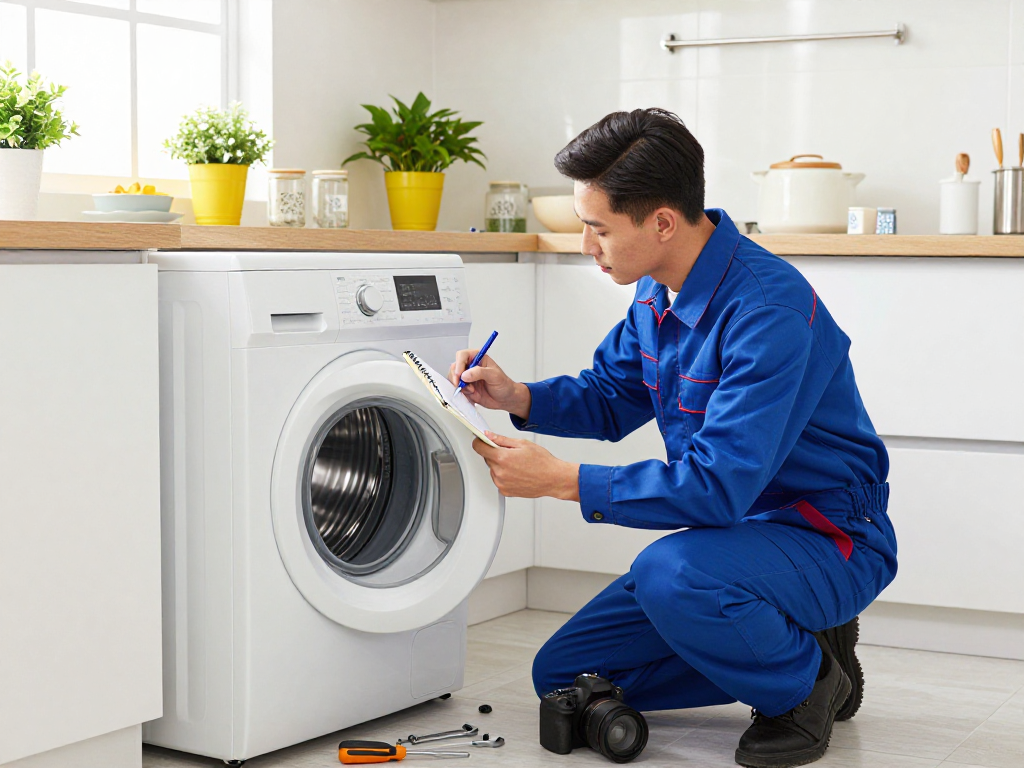
The Basics of Appliance Repair
When appliances malfunction, it can disrupt everyday life, sparking frustration and confusion. Understanding the fundamentals of appliance repair can save time, money, and the hassle of dealing with unresponsive machines. From refrigerators that won't cool to dishwashers that refuse to drain, knowing how to identify and address these issues is essential. This guide aims to demystify appliance repair, equipping you with the knowledge to either tackle repairs yourself or to better understand when to call a professional. For further details on ensuring your appliances run smoothly, you can explore appliance repair services.
Understanding Common Appliances
Appliances can be divided into several categories, each serving distinct purposes in our daily routines. Here are some common types:
- Kitchen Appliances: These include refrigerators, ovens, microwaves, and dishwashers.
- Laundry Appliances: Washing machines and dryers fall under this category.
- Heating and Cooling Appliances: This includes air conditioners and heaters.
- Small Appliances: Items such as toasters, blenders, and coffee makers.
Common Issues and Their Symptoms
Recognizing the symptoms of appliance problems is crucial for effective troubleshooting. Here are some prevalent issues:
- Refrigerator: Not cooling, unusual noises, or excessive frost buildup.
- Washing Machine: Leaking, vibrating excessively, or not spinning properly.
- Dishwasher: Not draining, poor cleaning performance, or leaking.
- Oven: Uneven cooking, not heating, or door issues.
Essential Tools for Appliance Repair
Having the right tools is essential for any successful repair job. Here are some basic tools every DIY appliance repair specialist should possess:
- Screwdrivers: Both Phillips and flathead screwdrivers.
- Pliers: Useful for gripping and pulling.
- Multimeter: For checking electrical components.
- Wrench Set: For loosening or tightening bolts.
- Utility Knife: For various cutting tasks.
Diagnosing Appliance Problems
Proper diagnosis is at the heart of effective appliance repair. This section provides techniques to troubleshoot issues effectively.
Step-by-Step Troubleshooting Techniques
Start by observing the appliance's behavior. Here’s a simplified approach:
- Check Power Supply: Ensure the appliance is plugged in and that the outlet is functioning.
- Examine User Manual: Refer to the manual for common troubleshooting tips specific to the model.
- Inspect for Visible Damage: Look for loose wires, leaks, or any obvious external damage.
- Test Components: Use a multimeter to test switches, motors, and other electrical components.
Using Diagnostic Tools Effectively
Utilizing diagnostic tools can greatly enhance the troubleshooting process:
- Digital Multimeters: Measure voltage, resistance, and current, enabling you to test electrical parts accurately.
- Thermometers: Check temperature discrepancies in refrigerators and ovens.
- Pressure Gauges: For washing machines and dishwashers, to determine water pressure issues.
When to Call a Professional
While many issues can be tackled independently, some problems require professional intervention. Consider contacting an expert when:
- The repair involves complex electrical components.
- The appliance is still under warranty and self-repair may void it.
- You lack the time or tools required for the job.
DIY vs. Professional Repair
The decision to repair an appliance yourself or hire a professional is influenced by several factors. Understanding these can lead to more informed decisions.
Assessing Repair Complexity
Evaluate the complexity of the issue. Common repairs, such as replacing a door seal on a refrigerator, may be suitable for DIY. However, if the appliance requires specialized knowledge, such as circuit board repair, professional assistance is advisable.
Cost Considerations for DIY Repairs
While DIY repairs can save money, consider the costs involved:
- Parts: Replacement parts can vary in price; sometimes, the cost may approach professional fees.
- Time: Factor in the time you spend researching and executing repairs.
- Risk of Further Damage: Incorrect repairs can lead to additional issues, potentially increasing costs.
Benefits of Hiring an Expert
There are numerous advantages to hiring a professional for appliance repair:
- Expertise: Professionals bring years of training and experience to handle issues efficiently.
- Warranty Protection: Many repair services offer guarantees on their work.
- Safety: Professionals are trained to manage risky repairs, minimizing the risk of accidents.
Preventive Maintenance Strategies
Protecting your appliances through preventive maintenance can extend their lifespan and enhance performance. Here are some essential strategies:
Regular Cleaning and Care Practices
Routine cleaning is vital for appliance maintenance:
- Refrigerator: Regularly clean coils and check door seals to ensure efficiency.
- Oven: Clean spills promptly and use self-cleaning features as recommended.
- Washing Machine: Run maintenance cycles to cleanse the drum and eliminate odors.
Tips for Extending Appliance Lifespan
Consider the following tips to prolong the life of your appliances:
- Use Appliances for Their Intended Purpose: Avoid overloading appliances beyond their capacity.
- Keep Vents and Filters Clean: Regularly check and replace filters in dishwashers and HVAC systems.
- Monitor Usage: Be attentive to unusual noises or behaviors and address them early.
Understanding Warranty Implications
Familiarize yourself with the warranty conditions for your appliances:
- Coverage: Know what repairs or parts are covered under your warranty.
- Exclusions: Understand what actions may void your warranty, such as unauthorized repairs.
- Duration: Keep track of warranty periods to take full advantage of coverage.
Future Trends in Appliance Repair
The appliance repair industry is evolving due to advancements in technology and changing consumer expectations. Understanding these trends can prepare homeowners for future developments.
Technological Innovations Impacting Repairs
Smart appliances are increasingly common, bringing about the need for specialized knowledge in repairs. Features such as self-diagnosis and remote troubleshooting are redefining how technicians approach repairs.
Emerging Best Practices for Technicians
As technology advances, so do best practices for appliance repair technicians, including:
- Continuous Education: Ongoing training is necessary to stay updated with the latest technologies.
- Customer-Focused Service: Emphasizing clear communication and customer satisfaction enhances business reputation.
Sustainability and Eco-Friendly Repair Solutions
There is a growing focus on sustainable practices within the appliance repair industry, including:
- Recycling Parts: Salvaging usable components from old appliances to reduce waste.
- Energy-Efficient Repairs: Promoting repairs that enhance efficiency and reduce energy consumption.
What is the best way to maintain my appliances?
Regular check-ups, cleaning, and using appliances correctly can significantly reduce wear and tear, ensuring they operate efficiently.
How can I troubleshoot common appliance issues?
Begin with basic observations, check power sources, consult the manual, and test components as necessary to identify problems.
When should I attempt DIY appliance repair?
Consider DIY repairs for minor issues that you are confident handling, like changing a filter or cleaning a drain. For complex problems, consult a professional to avoid causing further damage.
What tools do I need for appliance repair?
Basic tools include screwdrivers, pliers, a multimeter, and a wrench set, which will cover many common repair needs.
How can I find a reliable appliance repair service?
Seek recommendations, read reviews, and check qualifications to ensure you hire a trustworthy repair service.. Additionally, appliance repair Aurora provides further details.