The Legacy of Nasi Kandar
Nasi Kandar, often referred to as the quintessential Malaysian dish, is more than just a meal; it narrates a rich history steeped in tradition and cultural significance. Originating from the bustling port of Penang in the 19th century, this dish reflects the flavors of the diverse communities that flourished there. Today, it stands as a symbol of Malaysia’s culinary heritage and ongoing evolution in gastronomy. When exploring options, rokok88 offers a delightful selection of Nasi Kandar that pays homage to this vibrant history.
Understanding the Historical Roots of Nasi Kandar
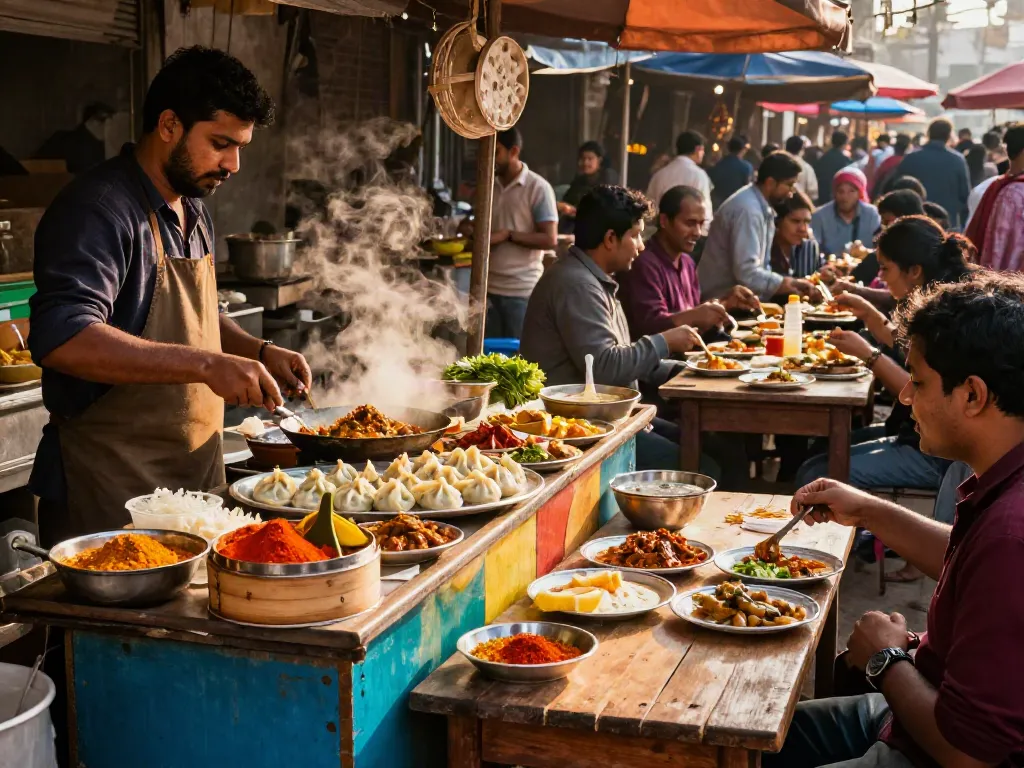
The name "Nasi Kandar" literally translates to "carried rice," a nod to the traditional method employed by vendors who would suspend baskets of rice and various dishes from a pole slung over their shoulders. This practice was a common sight among the laborers at Penang port, who required substantial meals to sustain their demanding work. The vendors, primarily Tamil Muslims, would sell this hearty dish from the early hours of dawn to provide nourishment for the workers readying themselves for a long day ahead.
The Cultural Significance of Nasi Kandar in Malaysia
Nasi Kandar transcends its humble beginnings to become a beloved staple across Malaysia. It embodies the country's multicultural ethos, seamlessly blending flavors and techniques from Indian, Malay, and Chinese cooking traditions. As such, it is not just food but a representation of unity amidst diversity, appealing to various demographics—from students to families to professionals—bringing people together over a shared appreciation of its rich taste.
How Nasi Kandar Evolved from Port Workers' Meal to National Cuisine
Over the years, Nasi Kandar has evolved significantly, adapting to changing tastes while retaining its core essence. Initially characterized by simple dishes served with rice, it now showcases an extensive array of curries and side dishes, allowing for a personalized dining experience. This transformation has seen Nasi Kandar become a beloved national dish, available in dedicated restaurants and food stalls across the country, maintaining its tradition while embracing modern culinary trends.
How to Enjoy Nasi Kandar
Engaging in the ritual of enjoying Nasi Kandar involves a few strategic steps that can enhance your dining experience. This meal is unique compared to standard rice dishes; the way you assemble your plate can significantly impact the taste and satisfaction of your meal. The beauty of Nasi Kandar lies in its versatility and the flavor combinations that one can create.
Step-by-Step Guide to Assembling Your Plate
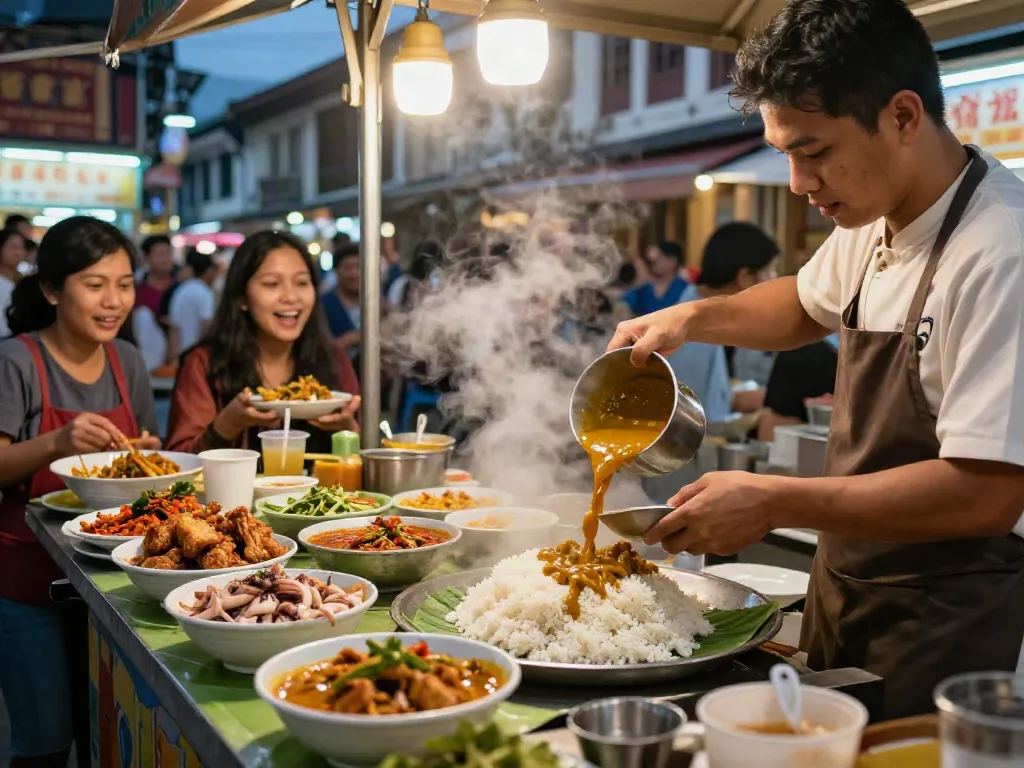
1. Choose Your Rice: Start with a base of warm, fluffy white rice or opt for the aromatic biryani rice for an elevated flavor. 2. Select Your Lauk: Choose from a variety of meats and vegetables, including fried chicken, squid sambal, or spicy eggplant. 3. Pour the Curries: The defining moment of Nasi Kandar is the pouring of various curries. This step, known as "banjir" (flooding), involves liberally ladling different types of curry over the rice and dishes, allowing for a harmonious blend of flavors.
Choosing the Right Rice and Curries for Your Experience
Choosing the right combination is crucial. The standard practice is to have one type of curry pour over the rice base first, followed by additional curries. Opt for a rich, spicy curry like lamb or chicken curry as your first choice, and complement it with a milder coconut-based curry or a tangy fish curry to balance the flavor profile. Don't shy away from mixing and matching; the heart of Nasi Kandar lies in its eclectic combinations.
Exploring the Ritual of 'Banjir' for Authentic Flavor
The ritual of flooding your rice with curry is not merely a trend; it is steeped in tradition. The more curries you mix, the richer and more complex the flavors become. This technique not only enhances the dish's taste but also symbolizes the melding of cultures, making every bite an exploration of Malaysia's diverse culinary landscape.
Must-Try Dishes at Rokok88
At Rokok88, the offerings are abundant and cater to various palates, showcasing why this establishment has become a go-to for Nasi Kandar enthusiasts. The following are the top six lauk (side dishes) to consider, each bringing its unique texture and taste to your plate.
Top Six Lauks That Make Your Nasi Kandar Memorable
- Ayam Goreng Berempah: Deep-fried chicken marinated in spices, crispy on the outside and tender within.
- Sotong Sambal: Squid cooked in a rich, spicy sambal sauce, offering a perfect mix of sweetness and heat.
- Udang Masak Lemak: Prawns submerged in a creamy coconut curry that provides both sweetness and spice.
- Terung Berlada: Fried eggplant drenched in a zesty chili sauce, adding a delightful crunch and heat.
- Ikan Kembung Goreng: Fried mackerel that delivers a savory, crispy texture, often served with a squeeze of lime.
- Kari Kambing: Lamb cooked slowly in a rich curry that envelops the meat in layers of flavorful spices.
Understanding the Unique Flavors of Each Dish
Each lauk is crafted using fresh ingredients and traditional methods, ensuring a genuine taste experience. The Ayam Goreng Berempah, for example, features an array of spices such as turmeric, chili, and garlic, which create a perfectly balanced profile. Sotong Sambal incorporates spicy red chilies and sweet shallots, making it a favorite for those seeking a kick.
How to Pair Your Dishes for the Ultimate Experience
The pairing of various dishes can elevate your Nasi Kandar experience. For instance, combining Kari Kambing with Udang Masak Lemak provides a delightful contrast between the robust lamb flavor and the sweet, creamy prawn curry. Alternatively, pairing the crispy Ikan Kembung with the rich Terung Berlada enhances the textural experience with each bite.
Customer Experiences and Testimonials
Customer feedback is critical in understanding the impact of Rokok88’s offerings. Many patrons express their delight at the authenticity of flavors, claiming it feels like a nostalgic trip to Penang with every bite. The ability to customize plates has been praised as it allows diners to explore new tastes while relishing familiar favorites.
What Diners are Saying About Rokok88
Testimonials reveal a pattern of satisfaction among diners. Customers frequently commend the fresh ingredients and the generous portion sizes, perfect for those looking for a hearty meal. One diner commented on the authenticity of the experience, noting that the variety and freshness of the dishes reminded them of traditional meals shared with family.
Highlighting Memorable Customer Stories
Many customers return to Rokok88, sharing stories about trying Nasi Kandar with their friends and family during special occasions. One memorable account involved a family celebrating a birthday with a feast of Nasi Kandar, where everyone selected their favorite dishes, turning the meal into a shared experience filled with joy and laughter.
How Personal Preferences Shape the Nasi Kandar Experience
One of the unique aspects of Nasi Kandar is that it can be tailored to individual preferences. Diners can choose spiciness levels, types of rice, and the number of dishes to include. This personalization is often a source of delight, as each diner can create a plate that resonates with their taste buds while enjoying the communal experience of sharing the meal with others.
Future of Nasi Kandar: Trends and Innovations
As culinary landscapes evolve, so does the tradition of Nasi Kandar. With global influences shaping Malaysian cuisine, we are witnessing a renaissance in how traditional dishes are prepared and presented, allowing for continuous innovation while maintaining core flavors.
Integration of Modern Culinary Techniques in Traditional Dishes
This fusion of modern techniques, such as sous-vide cooking and molecular gastronomy, with traditional recipes is becoming increasingly popular among chefs. This approach not only enhances the flavors but also introduces new textures and presentations, keeping the beloved dish fresh and exciting for new generations.
The Impact of Globalization on Nasi Kandar
Globalization has led to the exchange of culinary ideas, allowing Nasi Kandar to adapt and incorporate elements from international cuisines. This trend is visible in the introduction of various fusion dishes, such as Nasi Kandar served with Asian-inspired sauces or unique toppings that reflect a blend of cultures.
Projecting the Future of Nasi Kandar in 2026 and Beyond
As we look ahead to 2026, the future of Nasi Kandar appears bright, with an increasing number of establishments recognizing its cultural significance. Innovations in food sourcing and sustainability practices could lead to an even broader array of flavors and dishes, attracting global attention and appreciation for this Malaysian staple.
What Makes Nasi Kandar Special?
The uniqueness of Nasi Kandar lies in its ability to cater to diverse tastes while maintaining authenticity. The practice of mixing various curries and side dishes allows for a multitude of flavor combinations, making each meal a new experience. This adaptability is key to its lasting popularity.
Can Nasi Kandar be Vegetarian?
Yes, Nasi Kandar can easily accommodate vegetarian preferences. Many restaurants, including Rokok88, offer an array of vegetarian lauk options such as curry vegetables, tofu, and eggplant dishes, ensuring that everyone can enjoy this iconic meal.
What's the Best Way to Reheat Leftover Nasi Kandar?
To maintain the integrity of the flavors and textures, reheating Nasi Kandar is best done on the stovetop with a bit of water to steam the rice and revive the curries, ensuring they do not dry out.
Are There Gluten-Free Options for Nasi Kandar?
Most of the components in Nasi Kandar can be gluten-free, such as rice and many curries. However, it is essential to check specific dishes for sauces that may contain gluten, especially with those served at commercial eateries.
What Drinks Pair Well with Nasi Kandar?
When it comes to pairing drinks with Nasi Kandar, look no further than traditional options such as Teh Tarik (pulled tea) or fresh coconut water. These beverages complement the rich and spicy flavors of the dish while providing a refreshing palate cleanse.