Expert Machinery Movers: Proven Strategies for Safe Relocations in 2026
The Importance of Professional Machinery Movers
When it comes to relocating heavy machinery, the expertise of professional machinery movers is paramount. Whether you are transitioning a manufacturing facility or moving industrial equipment, relying on seasoned professionals can mitigate risks and streamline the process. This article delves into the significance of choosing expert machinery movers, the benefits they offer, and the common misconceptions that can arise in this industry.
Why Choose Expert Machinery Movers?
Hiring experienced machinery movers is essential for several reasons. First and foremost, they possess the technical knowledge required to handle heavy and complex machinery safely. Professional machinery movers understand the intricacies involved in rigging, hoisting, and securely transporting machinery, minimizing the potential for damage. Additionally, they are equipped with specialized tools and equipment designed for heavy lifting, ensuring a smooth relocation process.
When exploring options, Machinery Movers provide comprehensive insights into the services needed for your specific relocation project.
Benefits of Hiring Experienced Movers
- Safety: The most significant advantage is the emphasis on safety. Professional movers are trained to adhere to strict safety protocols, reducing the risk of accidents.
- Efficiency: Experienced movers can execute the relocation process swiftly, minimizing downtime for your business.
- Cost-Effective: Although there is an upfront cost associated with hiring professionals, their expertise can save money in potential damages and downtime.
Common Misconceptions About Machinery Moving
Many companies mistakenly believe that moving machinery can be a DIY task. This perspective can lead to costly errors and safety hazards. Another misconception is that all machinery movers provide the same services; however, each company might specialize in different types of equipment or industries. It’s essential to conduct thorough research and choose a mover that aligns with your specific needs.
Understanding the Machinery Moving Process
The machinery moving process involves several key steps to ensure a successful relocation. Understanding these steps can help you prepare for the logistics and manage expectations throughout the project.
Key Steps in Relocating Heavy Machinery
- Assessment: The first step involves assessing the machinery that needs to be moved. This includes evaluating its size, weight, and any disassembly requirements.
- Planning: Once an assessment is made, a detailed plan is developed. This plan outlines the equipment and personnel required for the move and establishes a timeline.
- Execution: The execution phase involves packing, disassembling (if necessary), loading the machinery onto trucks, transporting it to the new location, and reassembling it.
- Final Inspection: After the move, a final inspection is conducted to ensure that everything has been properly installed and is functioning correctly.
Essential Equipment for Safe Moving
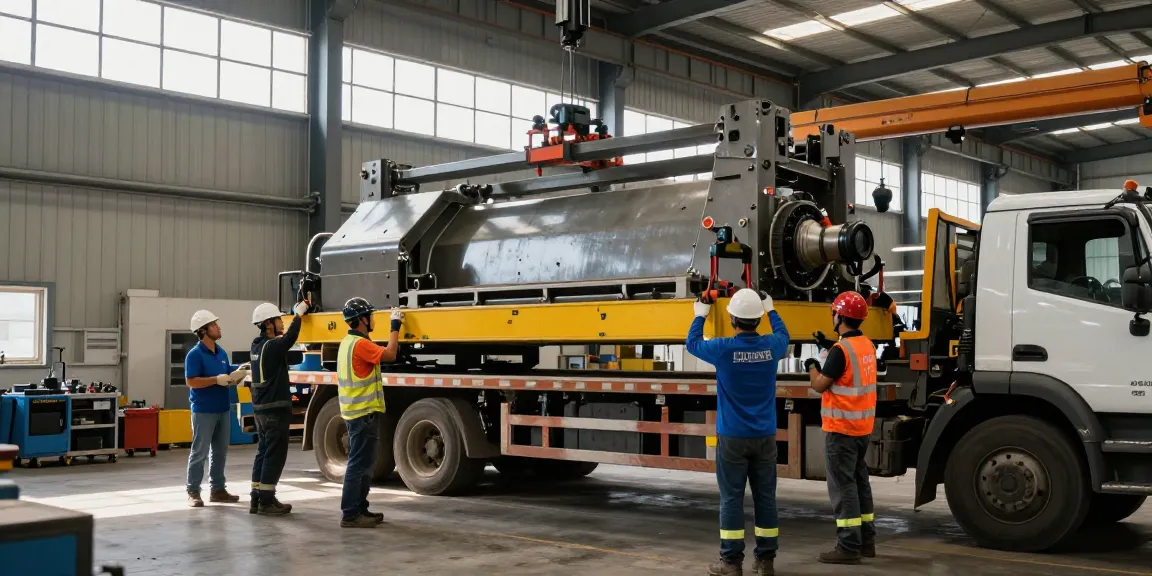
A variety of specialized equipment is used during the machinery moving process. This includes cranes, forklifts, gantries, and rigging materials. Each piece of equipment plays a crucial role in ensuring the safe relocation of heavy machinery.
Safety Protocols and Best Practices
Maintaining safety is a top priority during machinery moving projects. Professionals adhere to safety protocols that include site assessments, equipment inspections, and personnel training. Following best practices such as ensuring all machinery is properly secured before transport and conducting risk assessments can significantly diminish the likelihood of accidents.
Types of Machinery Moving Services
Understanding the various types of machinery moving services available can help businesses choose the right solutions for their needs. Here are some common services provided by machinery movers.
Turnkey Plant Relocation Services
Turnkey plant relocation services involve a comprehensive approach where the machinery movers handle everything from planning to execution. This service is ideal for businesses looking to minimize operational downtime during the relocation process.
Heavy Equipment Rigging and Hoisting
Heavy equipment rigging involves the lifting and hoisting of industrial machinery, ensuring that large pieces of equipment are safely transported to their new locations. This service requires highly skilled professionals who understand the complexities of rigging and the safety measures necessary to prevent accidents.
Specialized Machinery Dismantling and Assembly
Dismantling and reassembling machinery is often necessary during relocation. Specialized movers are trained to disassemble complex machinery safely, transport it, and reassemble it at the new location, ensuring that the equipment functions correctly upon installation.
Cost Factors to Consider in Machinery Moving
Understanding the cost factors associated with machinery moving can help businesses budget accordingly and prepare for potential expenses. While each project is unique, several common elements influence the overall cost.
Estimates and Quotes from Professional Movers
When reaching out to machinery movers for estimates, it’s important to provide detailed information regarding the machinery being moved. This will enable companies to offer accurate quotes based on specific needs.
Understanding Labor and Equipment Costs
Labor costs make up a substantial portion of the total expenses incurred during machinery moving. Skilled labor is essential for safe and efficient relocation, and the complexity of the move can significantly impact these costs. Additionally, the rental or use of specialized equipment contributes to the overall expenditure.
What Affects the Total Moving Price?
Several factors can affect the total price of moving machinery, including:
- Distance: Longer distances typically incur higher transportation costs.
- Size and Weight: Heavier and larger machinery requires more robust equipment and potentially more labor, driving up costs.
- Site Accessibility: Difficult access to either the pickup or drop-off location can increase labor costs.
Future Trends in Machinery Moving: What to Expect in 2026
The machinery moving industry is continuously evolving. As technology advances and sustainability becomes more important, several trends are emerging that will shape the future of machinery moving.
Emerging Technologies in the Industry
Advanced technologies such as automation and artificial intelligence are making their way into the machinery moving sector. These innovations can enhance efficiency and safety, allowing for more precise and effective relocation of heavy machinery.
Environmental Considerations and Sustainability
As industries shift towards more sustainable practices, machinery moving companies are also adopting eco-friendly protocols. This includes utilizing energy-efficient vehicles, recycling materials used during packing, and minimizing waste throughout the moving process.
Adapting to Changes in Demand and Market Needs
The machinery moving industry must remain adaptable to cater to changing client demands. This may include offering more customized services and responding to new market needs related to innovation and technology.
How much does it cost to move heavy machinery?
The cost of moving heavy machinery can vary significantly based on several factors. Generally, moving machinery within 200 miles can range from $800 to $1,800, while moving across longer distances increases costs substantially.
What is a machinery mover?
A machinery mover is a professional responsible for transporting, installing, and relocating heavy equipment and industrial machinery. They utilize specialized tools such as cranes and forklifts to ensure safe transport within factories or construction sites.
How would you move heavy machinery?
Moving heavy machinery involves using specialized equipment like hydraulic jacks, lifting wedges, and machine skates, along with trained personnel to coordinate the entire process safely.
What industries rely on machinery movers?
Industries such as manufacturing, construction, and logistics frequently require the expertise of machinery movers to relocate or maintain heavy and complex equipment.
What safety measures do machinery movers follow?
Professional machinery movers follow rigorous safety protocols, including regular equipment inspections, personnel training, and risk assessments to ensure a safe moving environment.