
In-Depth Raccoon Removal Toronto Analysis: Numbers Don’t Lie
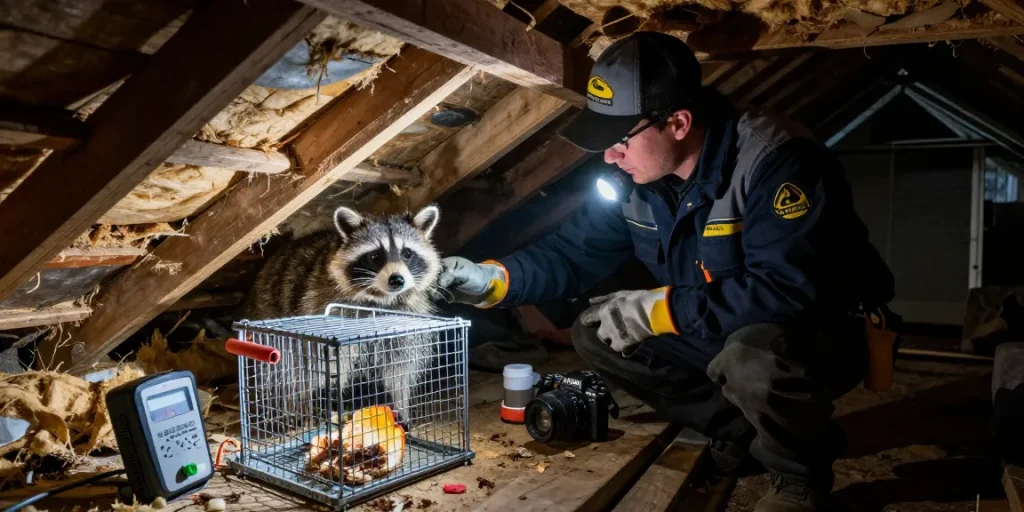
Understanding Raccoon Behavior and Risks in Urban Areas
Raccoons are highly adaptive creatures that have made their homes in urban environments across Canada, including Toronto. These nocturnal mammals are often drawn to human dwellings due to the availability of food and shelter. Understanding raccoon behavior is crucial for homeowners to mitigate potential infestations and the risks associated with them. When exploring options for managing raccoon encounters, Raccoon Removal Toronto provides comprehensive insights into effective removal strategies.
Why Raccoons Are Attracted to Your Home?
Raccoons are opportunistic feeders that will take advantage of readily available food sources. In urban settings, they often rummage through garbage bins, pet food left outside, and even bird feeders. Homes with easy access to attics or basements provide ideal shelter for these animals. The combination of food and shelter creates a perfect storm, drawing raccoons into residential areas.
Common Signs of Raccoon Infestations
Identifying a raccoon infestation can save homeowners from more significant issues down the line. Some telltale signs include:
- Footprints or paw prints near entrances or in gardens
- Pawing marks on trash cans
- Noise in the attic or walls during the night
- Damage to fruit trees or gardens
- Visible feces around the property
Vigilance in observing these signs can help in early detection and prompt action.
Health Risks Associated with Raccoon Presence
Raccoons are known carriers of various diseases that can pose health risks to both humans and pets. The most concerning risks include rabies, leptospirosis, and raccoon roundworm. Rabies is a viral infection that affects the central nervous system, while leptospirosis is caused by bacteria and can lead to severe health complications. Raccoon roundworm, on the other hand, can cause neurological issues if ingested. Homeowners must be aware of these risks and take appropriate measures to avoid encounters.
The Costs Involved in Raccoon Removal Toronto
The costs associated with raccoon removal can vary greatly depending on several factors. Homeowners must consider these expenses alongside the potential damage raccoons can cause if left unchecked. Understanding the pricing structure is crucial for effective planning and budgeting.
Factors Affecting Raccoon Removal Costs
Several factors influence the total cost of raccoon removal in Toronto, including:
- Extent of the infestation
- Location of the raccoons (attic, basement)
- Time of year (raccoons are more active in spring and summer)
- Required repairs or cleanup following removal
- The use of humane trapping versus lethal methods
Each of these elements can significantly impact the overall price, which can range from hundreds to thousands of dollars.
Comparison of DIY vs. Professional Removal Costs
Homeowners often consider DIY solutions versus hiring professionals for raccoon removal. DIY methods may seem less expensive initially, but they can lead to higher costs if the infestation worsens or if injuries occur while attempting removal. Professional services, while pricier upfront, offer expertise and resources that ensure a thorough and safe process, potentially saving money over time.
Hidden Costs: Preventative Measures and Repairs
Beyond the apparent costs of removal, homeowners should account for hidden expenses. These can include:
- Repairing entry points used by raccoons
- Replacing damaged insulation or wiring
- Implementing preventative measures post-removal, such as installing raccoon-proof trash cans
These investments can reduce the likelihood of future infestations and should be factored into the overall budget for raccoon control.
Effective Raccoon Removal Strategies
Implementing effective raccoon removal strategies is essential for homeowners facing infestations. These methods should prioritize humane treatment and the long-term wellbeing of both people and wildlife.
Humane Trapping Techniques
Humane trapping techniques involve using specialized traps that capture raccoons without causing harm. These traps are designed to entice raccoons with bait while ensuring their safety. Once captured, it’s critical to relocate them responsibly, in accordance with local wildlife regulations.
Best Practices for Safe Exclusion
Exclusion methods focus on preventing raccoons from entering your home in the first place. Best practices include:
- Sealing potential entry points with sturdy materials
- Installing chimney caps and raccoon-proof screens
- Storing trash securely in bins with tight-fitting lids
- Removing outdoor food sources, such as pet food or fallen fruit
These measures can significantly reduce the risk of raccoon incursions.
Post-Removal Prevention Methods
Once raccoons have been successfully removed, homeowners should implement ongoing prevention strategies. These may include:
- Regular inspections of the property
- Continuous monitoring of known raccoon hotspots
- Educating neighbors about proper waste disposal and food storage
Engaging in community awareness can enhance overall effectiveness against raccoon populations.
Legal Considerations Around Raccoon Removal
In Toronto, as in many urban areas, there are legal considerations when it comes to raccoon removal. Understanding these regulations is essential for both homeowners and wildlife control professionals.
Local Regulations and Wildlife Protection Laws
Raccoons are protected under specific wildlife laws, which means humane treatment is mandated. Regulations often require individuals to refrain from using poisons or lethal traps without proper authorization. Familiarity with local regulations is crucial for compliance and safe practices.
Permits Needed for Professional Removal
Depending on the nature of the raccoon removal, permits may be required for professional services. These permits ensure that the removal process aligns with wildlife conservation efforts and can vary by municipality.
Understanding Liability in Wildlife Control Cases
Liability issues can arise from raccoon removal, particularly if a homeowner or contractor suffers injury during the process. Awareness of liability concerns can help protect all parties involved. Homeowners may want to discuss these terms with their wildlife control professionals before commencing work.
Future Trends in Urban Wildlife Control (2026 and Beyond)
The landscape of urban wildlife control is continuously evolving, influenced by advances in technology, changes in environmental policy, and urban development. Looking ahead, several trends are expected to shape raccoon management strategies.
Innovative Technologies in Raccoon Control
Emerging technologies, such as smart traps and remote monitoring systems, are revolutionizing raccoon control. These innovations allow for real-time data collection and humane trapping, making the control process more efficient and effective.
Predicting Raccoon Population Dynamics in Urban Areas
Urban planners and ecologists are increasingly utilizing data analytics to predict raccoon population dynamics. Understanding these patterns can greatly enhance proactive management strategies, ensuring communities are better prepared for potential increases in raccoon populations.
Emerging Best Practices and Policies
As cities continue to adapt to the presence of wildlife, best practices and policies are evolving. Community engagement initiatives that encourage responsible pet ownership and proper waste disposal are gaining traction, aiming to minimize human-wildlife conflicts.
What Are the Best Techniques to Keep Raccoons Away?
Preventative measures are the most effective way to deter raccoons from approaching your home:
- Install motion-activated lights in gardens
- Utilize raccoon repellents, both chemical and natural
- Keep outdoor areas tidy and free from clutter
Implementing these techniques can significantly decrease the likelihood of attracting raccoons.
When Should You Call a Professional for Raccoon Removal?
Determining when to engage a professional can be a challenge. Signs that warrant professional intervention include:
- Multiple sightings of raccoons during the day
- Visible damage to property
- Persistent noise from within the home
- Health concerns arising from raccoon presence
Seeking professional help ensures safety and effectiveness in resolving raccoon-related problems.
What Are the Most Common Misconceptions About Raccoon Control?
Many homeowners harbor misconceptions about raccoon control. Common myths include:
- Raccoons are harmless and do not pose health risks
- Trapping and relocating raccoons is easy
- DIY solutions are always effective
Dispelling these myths is crucial for ensuring informed decision-making among homeowners.
How Can You Identify Raccoon Activity in Your Neighborhood?
Recognizing signs of raccoon activity in your community can promote early intervention. Look for:
- Damaged gardens or crops
- Scattered garbage or overturned bins
- Nocturnal sounds near trash or gardens
Community awareness can shape collective efforts to manage raccoon populations effectively.
What Preventative Measures Can Homeowners Take?
Homeowners can take several proactive steps to keep raccoons at bay, including:
- Installing fences with buried bases to prevent digging
- Regularly checking for and repairing structural vulnerabilities
- Educating others in the community about raccoon management
Collective action can yield significant results in deterring raccoon populations.
What Legal Protections Exist for Raccoons in Your Area?
Understanding local laws regarding wildlife protection is essential for anyone dealing with raccoons. Legal definitions and protections can influence methods of removal and management, ensuring humane treatment is upheld.