
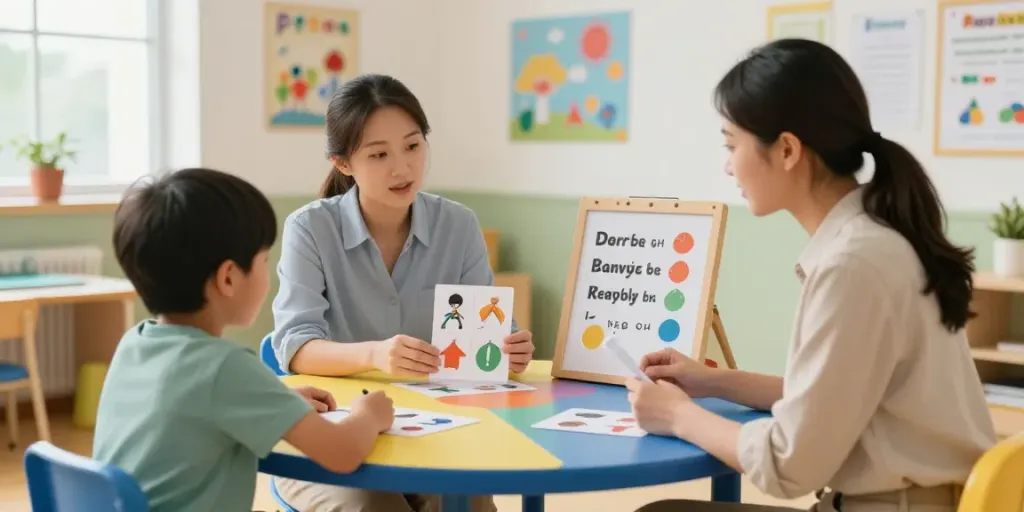
Understanding Functional Communication Training (FCT)
Functional Communication Training (FCT) is an essential intervention designed to enhance communication skills, particularly for individuals who face challenges in expressing their needs, desires, and emotions. In Burlington, professionals and families increasingly recognize the importance of FCT as a strategy to promote functional communication, which is critical for individuals with autism and other communication-related disorders. This method not only facilitates the expression of wants and needs but also aims to reduce challenging behaviors that stem from communication difficulties.
When exploring options, Functional communication training Burlington provides comprehensive insights and resources tailored to enhance communication effectiveness in children and adults alike.
What is Functional Communication Training?
Functional communication training (FCT) is defined as a systematic approach that teaches individuals to use appropriate communication methods to express their needs and desires rather than resorting to challenging behaviors. This intervention is based on the premise that many disruptive behaviors serve communicative functions. By identifying these functions, caregivers and professionals can teach alternative, more effective communication strategies.
FCT is grounded in applied behavior analysis (ABA) principles, where the focus is on understanding the underlying reasons for a person’s behavior and facilitating a more acceptable means of expression. This evidence-based practice has shown considerable success in various settings, including schools, clinics, and home environments.
The Importance of FCT for Children with Autism
For children with autism, effective communication is often a significant hurdle. Studies show that these children may resort to maladaptive behaviors due to their inability to convey their needs verbally. FCT plays a pivotal role in helping these individuals articulate their feelings and desires, ultimately leading to improved social interactions and reduced frustration.
- Enhances social skills: FCT encourages children to engage with peers and adults, fostering meaningful relationships.
- Reduces challenging behaviors: By providing an alternative means of communication, FCT can decrease instances of aggression, tantrums, and other disruptive behaviors.
- Promotes independence: With enhanced communication skills, children gain more control over their environment, fostering a sense of autonomy.
Key Principles Behind Effective Communication Strategies
Implementing effective communication strategies involves several key principles, including:
- Identifying communication functions: Understanding what a child is trying to communicate with their behaviors is crucial for developing effective responses.
- Modeling appropriate communication: Caregivers should demonstrate the desired communication methods through modeling and reinforcement.
- Utilizing positive reinforcement: Encouraging and rewarding successful communication attempts helps to reinforce desired behaviors.
- Ensuring consistency: Consistent use of communication strategies across all environments (home, school, community) enhances learning and retention.
Implementing FCT: Best Practices
Setting Up a Supportive Learning Environment
Creating an environment conducive to learning is fundamental in the implementation of FCT. This includes establishing a calm and structured setting that minimizes distractions and promotes focus. It is essential to use clear visual cues and supports that align with the communication goals set for the individual.
Additionally, fostering a positive atmosphere where mistakes are seen as learning opportunities encourages individuals to practice their communication skills without fear of failure.
Using Visual Supports for Communication Enhancement
Visual supports, such as picture exchange systems or schedules, can significantly enhance the communication process. These tools provide concrete representations of ideas or actions, making it easier for individuals to understand and convey their thoughts. By integrating visual aids into daily routines, caregivers can assist individuals in expressing their needs more effectively.
Incorporating Play-Based Learning in FCT
Engaging in play-based activities can significantly aid in the development of communication skills. Play allows for natural interactions and provides numerous opportunities for practicing functional communication. By embedding communication goals within play, practitioners can create a fun and enriching environment that promotes learning organically.
Challenges in Functional Communication Training
Common Misconceptions About FCT
Despite its proven benefits, several misconceptions about FCT persist. One common belief is that FCT is only relevant for children with severe disabilities. In reality, FCT can be beneficial for individuals of all ages and abilities who struggle with communication.
Moreover, some people may think that FCT involves simply teaching words or phrases. However, FCT is a comprehensive approach focused on understanding the functional aspects of communication and teaching effective methods for expressing needs.
Addressing Behavioral Challenges During Training
During the implementation of FCT, caregivers may encounter behavioral challenges. It is essential to remain patient and consistent, recognizing that setbacks may occur as individuals practice new communication skills. Effective strategies include identifying triggers for challenging behaviors and addressing them through proactive communication interventions.
Adapting FCT for Different Learning Styles
Every individual has a unique learning style, and adapting FCT to meet these needs is crucial for its success. Visual learners may thrive with picture aids, while auditory learners might benefit from verbal modeling and repetition. Tailoring strategies to suit each learner's preferences enhances engagement and improves outcomes.
Real-World Applications of FCT
Case Studies Demonstrating Successful FCT Implementation
Numerous case studies highlight the success of FCT in various settings. For instance, a study involving children in a classroom environment showed that those who underwent FCT exhibited a significant reduction in disruptive behaviors and an increase in positive communication exchanges.
Another example involves a family who applied FCT strategies at home. By using visual schedules and consistent reinforcement, the child was able to articulate their needs more clearly, leading to more harmonious interactions within the household.
Integrating FCT into Daily Routines
Integrating FCT into daily routines is vital for reinforcing communication skills. Simple strategies, such as inviting individuals to choose activities or express preferences during meal times, can provide ample opportunities for practice. Consistency across settings is key to ensuring that individuals feel comfortable using their communication skills in various contexts.
Collaboration Between Parents and Professionals
Collaborative efforts between parents, educators, and therapists are essential for maximizing the effectiveness of FCT. Regular communication allows for the sharing of insights and strategies that can be employed both at home and in other environments, ensuring a unified approach to supporting the individual’s communication needs.
Future Trends in Functional Communication Training
Emerging Techniques and Technologies for FCT
The future of FCT is promising, with emerging technologies and techniques set to enhance communication strategies further. Mobile applications and digital tools that support visual communication are becoming more prevalent, providing innovative ways to engage learners. These resources can aid in tracking progress and adapting strategies in real time.
Predictions for FCT in 2026 and Beyond
As we look ahead to 2026, the integration of FCT into educational curricula and early intervention programs is likely to expand. Increased awareness of the value of functional communication will lead to more widespread implementation of best practices, ultimately benefiting a broader range of individuals.
Continual Learning: Keeping Up with FCT Research and Resources
To ensure the effectiveness of FCT practices, ongoing professional development and engagement with the latest research are imperative. By staying informed about new findings and techniques, practitioners can continue to refine their approaches, further enhancing the communication outcomes for the individuals they serve.
How can parents incorporate FCT at home?
Parents play a critical role in the successful implementation of FCT. By actively participating in training sessions and learning about effective strategies, they can reinforce communication skills at home. Simple practices, such as engaging in structured play and utilizing visuals, can significantly enhance the communication abilities of their children.